The Short-Lived Ceasefire


Ibrahim Safi – The Public Trust
The US-Iran war has effectively resumed because of Israeli violations of the short-lived ceasefire. The ceasefire was predicated upon the MOU (Memorandum of Understanding), which outlined several points besides the ceasefire, including an indemnity of 300 billion USD to be given to Iran as reparations, as well as the unfreezing of Iranian assets conditioned upon Iranian promises not to work on a nuclear weapon and to affirm the Strait of Hormuz remains open.
Broadly, most analysts claim that the purpose of the MOU was to work toward ceasing hostilities and restoring trade in the region, thereby allowing the global economy to recover. With the resumption of hostilities, those objectives have proven futile. Crucially, the MOU was never a peace treaty but rather a platform for negotiating peace terms between the two countries (Reuters).
To understand the importance of the ceasefire, one must understand how critical the broader US-Iran war is, including the Israeli invasion and genocide of southern Lebanon. As described in a prior article, Hezbollah and Iran are allies against Israel, and by extension, America, in that field, and a key part of the deal was a guarantee by the Americans to cease hostilities in Lebanon. The Lebanese front alone is the reason that several previous negotiations have collapsed. To understand why, one must understand that the Israeli and American goals in this conflict are separate (Al-Jazeera).
The US’s top priority is maintaining global trade, as its role as the guarantor of global trade allows it to project power. Additionally, the US has the goal of protecting Israel and ensuring the defeat of its adversaries. That is the reason the US got involved in the first place, prompting the Israelis, as they intended to strike Iran, to take advantage of its internal issues (Caspian Report).
Meanwhile, Israel has two goals: the first being to eliminate the Iranian regime, as they are the last rivaling power to effectively contain Israeli forces, hence their elimination means Israeli hegemony in the Middle East. The second, and more particular to this war, is the conquest of southern Lebanon–especially if statements from Smotrich and Ben Gvir are to be taken seriously–to effectively prepare the region for Israeli settlement, akin to the Golan Heights, a topic discussed further in the Lebanon essay (Warfronts; Reuters).
So, with this analysis, one can see that the priorities of both countries are separate, with the US wanting to prevent panic amongst investors and to ensure global trade resumes unimpeded, hence necessitating control of the Strait of Hormuz. This is why the primary Iranian strategy has centered on closing the Strait of Hormuz and threatening to close the Bab el-Mandeb Strait, as such actions harm Americans in a fundamental manner, making the opening of the straits a significant negotiating chip.
Recall earlier when we discussed the terms of the MOU, that the main concession from the Iranian side was the opening of the straits. In return, they would receive substantial funds, enabling them to rebuild their country and economy (Caspian Report). Meanwhile, for Israel, although the global trade and economy had little to no effect upon them, the MOU actively infringed upon their goals, as their primary objective in this war was the conquest of Lebanon. In previous talks, ambiguity around Lebanon led to stonewalling, and, in this MOU, the Lebanese clause was specified as intentionally violated by the Israelis (Al-Jazeera; Warfronts).
In response to the Israeli attacks upon Lebanon and continued operations, resulting in a continued genocide of the Lebanese people, Iran closed the Strait of Hormuz, thereby resetting the crisis (Reuters). As of this article’s writing, the Americans have repeatedly threatened to restart the war with Iran, thereby pulling them back into the conflict.
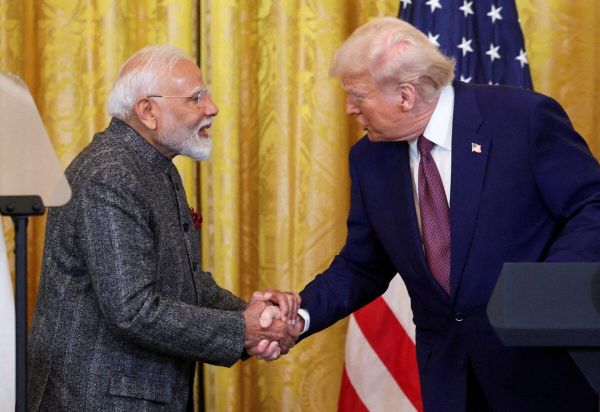
Iran’s position has, however, remained consistent: Iran will reopen the straits once the Israelis withdraw from Lebanon. Just a couple of days ago, American Vice President JD Vance was in Switzerland attempting to negotiate a peace settlement with the Iranian delegation, though little progress has been made, and the tone has recently shifted toward resuming strikes on Iran, likely prompting Iranian retaliation in the Gulf (Reuters).
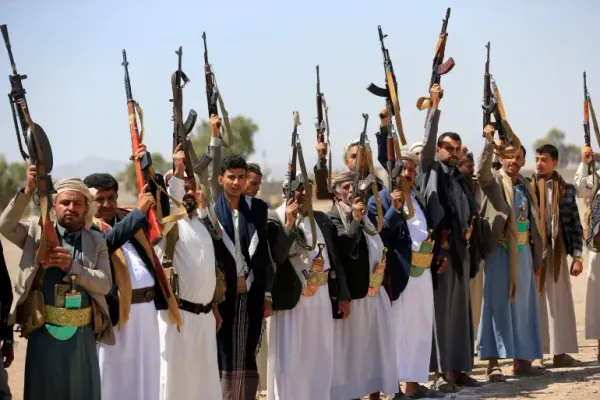
As the situation develops, many threats have been made, and future operations speculated about. Before the MOU, the Iranian coalition had threatened to call the Houthis in Yemen and close the Bab al-Mandeb strait, which would severely worsen global trade and deepen the economic crisis, harming American power projection and either weakening American global control or pushing the US to make further concessions in subsequent peace negotiations (Warfronts).
Similarly, the US had made threats towards an invasion and occupation of Kharg Island, with some more radical voices, albeit a small minority, calling for a full-scale invasion of Iran and the toppling of the regime and IRGC. If Iran follows through on its threats, this may push the Americans to take more radical measures, leading to a potential escalation of the conflict (Warfronts).
However, as of now, both sides seem eager for negotiations and the restoration of the MOU, with Iran demanding that Israel completely withdraw from Lebanon, returning to the status quo, whilst the Americans are demanding the opening of the Straits of Hormuz, also returning to the status quo. It appears the main party that benefits from the continuation of the hostilities and fighting is Israel, as they continue to steal land in Lebanon and expel its people.
Works Cited
“Al-Jazeera.” Youtu.be, 2026, youtu.be/pcfcpjoO9CQ?si=Kv96ZjmkOxLua12I. Accessed 21 June 2026.
Bassam, Laila, et al. “Israeli Strikes Kill at Least 20 in Lebanon Hours after Ceasefire.” Reuters, 20 June 2026, www.reuters.com/world/middle-east/least-five-killed-israeli-strikes-south-lebanon-despite-ceasefire-2026-06-20/.
Humeyra Pamuk, et al. “US Disputes Iranian Claims about Closing Strait of Hormuz as Negotiators Head to Switzerland.” Reuters, 20 June 2026, www.reuters.com/world/asia-pacific/us-disputes-iranian-claims-about-closing-strait-hormuz-negotiators-head-2026-06-20/.
Whistler, Simon. “Warfronts.” Youtu.be, 2026, youtu.be/y4Lgvo78ew0?si=jjzKSgCJ7907cI-4. Accessed 21 June 2026.
“Caspian Report.” Youtu.be, 2026, youtu.be/bjC11V2VjYw?si=uaxyrTJDqMMvkw53. Accessed 21 June 2026.